Boosting Microneedling Results: The Role of Serums and Post-Treatment Care

Microneedling can give your skin a fresh start. A microneedling facial in Brooklyn can improve the look of texture, tone, and dryness. La Muse Skin Studio pairs each facial with thoughtful care that supports your skin after the treatment.
Serums can help your skin feel calm and hydrated. Good aftercare can also protect your results as your skin heals. Simple choices at home can make a real difference in how your skin looks and feels.
Your treatment works best when your daily routine supports the process.
Read on to learn how serums and post-treatment care can help you get better results.
Key Takeaways
The right serum can support your skin, while the wrong one can slow recovery.
Small aftercare choices can shape how smooth, calm, and even your skin looks.
Better results often come from what you do between appointments, not just during them.
Match the Serum to the Treatment Goal
A serum should support one clear skin goal instead of chasing every trend. La Muse Skin Studio considers skin type, sensitivity, and healing needs before choosing the right formula.
Watch How the Skin Barrier Responds
Microneedling leaves the skin more open and sensitive for a short time. A product that feels gentle on normal skin may still cause burning after treatment. Mild support helps the skin rebuild without extra irritation.
Pick a Texture That Feels Light
Thick serums may trap heat or require too much rubbing. A smooth formula spreads with less pressure on tender skin. Even coverage also helps prevent dry patches and heavy buildup.
Adjust Products as Healing Continues
Skin needs can change during the days after treatment. Hydrating and calming serums often work best early in recovery. Stronger products should wait until redness and sensitivity have settled.

Treatment Depth Changes the Plan
Treatment depth affects how much time your skin needs to recover. Deeper microneedling sessions can leave the skin more red, dry, or sensitive. Your routine should match the work done during the appointment.
Makeup, retinol, acids, and strong products may need to stay off the skin longer. Online advice often misses details about your treatment and skin response. Good aftercare protects the healing process and helps you get more from each session.
More Serum Is Not More Effective
Piling on serum can leave treated skin hot, tacky, and uncomfortable. Too much product may also block the surface instead of helping it recover. One thin layer gives the face enough support without creating a heavy mess.
Overloading your routine can make redness harder to understand. When irritation appears, several products may hide which ingredient caused the problem. Using a smaller amount keeps the skin response easier to read.
Fewer layers also reduce rubbing on areas that already feel tender. Measured use helps the serum cover the face without waste or buildup. Better results come from the right amount, not the fullest dropper.
Simple Formulas Lower the Risk
Sensitive skin may react badly to scents, plant extracts, or extra preservatives. A plain serum places less stress on the skin during early healing. Short ingredient lists also make hidden triggers easier to avoid.
Clear formulas help your provider see how the skin responds after treatment. Any redness or itching becomes easier to trace when fewer ingredients are involved. Gentle care protects the skin barrier while it begins to repair.
Hydration Should Come in Layers
Dry, tight skin often needs more than one heavy cream. A light serum adds water without leaving the face greasy. Gentle moisturizer placed on top helps hold that water in.
Layered care gives treated skin support at two levels. The first step hydrates, while the next step slows moisture loss. This simple order may help the skin feel softer and more comfortable.
Timing Matters More Than Trends
Freshly treated skin does not follow the same rules as your normal routine. Strong products can cause stinging, dryness, or redness when used too soon. Giving the skin time to recover helps protect the smooth glow you want.
The right signs can show when your routine is ready to change:
Wait for redness to fade: Ongoing redness means the skin barrier is still under stress. Adding retinol or acids during this stage can worsen the reaction.
Check for stinging with basic products: Gentle moisturizer should feel calm on the skin. Burning from a mild formula is a sign that stronger ingredients should stay off the face.
Watch for peeling or rough patches: Flaking shows that the outer layer is still rebuilding. Exfoliating acids can strip this weak surface and extend the healing period.
Bring back actives one at a time: Adding several products together can hide which one caused irritation. A slow return makes skin changes easier to track.
Patience after microneedling helps each product work when your skin is ready for it.
Redness Is Not a Signal to Scrub
Redness and flakes are common signs that treated skin is still healing. Scrubbing can tear at the tender surface and leave it feeling raw. Loose skin should fall away on its own without force.
Gentle moisture helps calm rough spots while the skin repairs itself. La Muse Skin Studio explains how to protect your results after a microneedling facial in Brooklyn. Proper care helps prevent added dryness, patchy texture, and longer recovery.
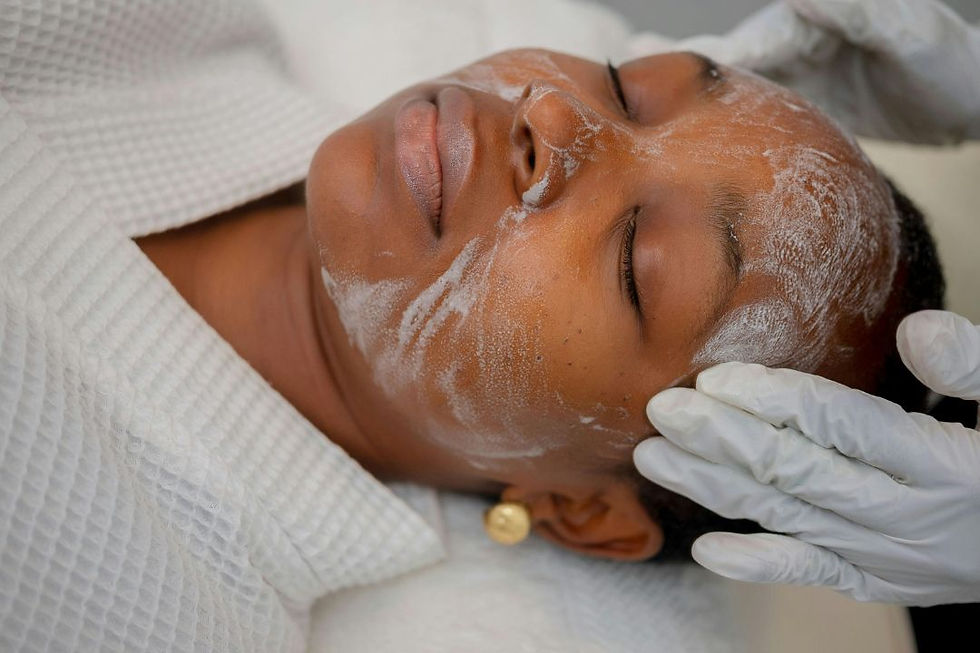
Your Cleanser Sets the Tone
The first wash after microneedling can shape how your skin feels for the rest of the day. Strong lather and added scent may remove oils your face still needs. Choose a mild cleanser that rinses away without leaving a tight feeling.
Heat can make fresh redness look and feel worse. Lukewarm water cleans the face without raising skin warmth. Use your fingertips instead of a brush, sponge, or washcloth.
Rough towels may catch on dry spots and pull at the surface. Clean hands and soft patting help limit extra contact. A careful cleanse keeps the next steps in your routine easier on your skin.
Clean Tools Protect Fresh Skin
Brushes, cloths, and rollers can carry oil, dirt, and bacteria back to your face. Freshly treated skin may react with bumps or added redness when dirty items touch it. Washing these tools before your appointment helps lower that risk.
Pillowcases also collect sweat, hair products, and skin oils overnight. Replacing them with a clean set keeps the treated area away from hidden buildup. Preparing every item that may touch your face gives healing skin a cleaner place to recover.
Heat Can Extend the Red Stage
High heat can keep treated skin looking red long after the appointment. Hard workouts and hot showers may raise skin warmth and make swelling feel worse. Direct sun can also add more stress when the face is still sensitive.
Steam rooms and heavy exercise should wait while the skin starts to calm. Sweat may sting and leave tender areas feeling more uncomfortable. A quiet day gives your face time to cool down without new irritation.
Shade, rest, and a cooler room can help support early recovery. Short breaks from heat may also reduce the chance of lasting redness. Simple choices during the first day can help the skin settle more smoothly.
Give Your Skin More With a Microneedling Facial in Brooklyn
Great results depend on what happens after the treatment as much as the treatment itself. La Muse Skin Studio helps you pair smart serum choices with aftercare that supports smoother, calmer skin. A thoughtful routine gives every session a better chance to deliver lasting change.
Frequently Asked Questions
Can I wash my face after microneedling?
You should follow the cleansing timeline given by your provider after microneedling. Once you can wash your face, use cool water and a mild cleanser without scrubbing.
When can I wear makeup after microneedling?
Wait until your skin has had time to calm before wearing makeup again. Applying it too soon may trap bacteria or irritate skin that still feels warm and tender.
Why does my skin feel dry after microneedling?
Dryness can happen because the treatment briefly affects the skin barrier. Gentle moisture and approved serums can ease tightness while your skin starts to recover.
Can I work out after microneedling?
Hard workouts should wait until the early redness and heat begin to fade. Sweat and body heat may make treated skin feel more irritated.
How can I make microneedling results last longer?
Protect your progress with daily sun care, steady moisture, and a simple skin routine. Regular treatments and smart home care help each session build on the last.


Comments